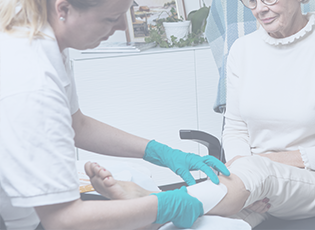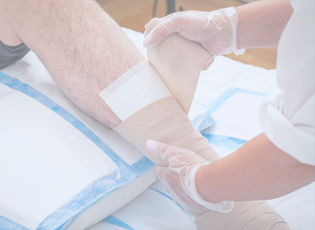

Clinicians treat hard-to-heal wounds during healthcare visits, but patients live with them every day. Sleep, mobility, clothing, social life, and the ability to manage independently can all be affected.
One patient’s story reminds us of the value of listening, understanding, and seeing the whole person behind the wound.
A man*, Lars, contacted us and wanted to share his experience of living with a hard-to-heal wound and a daily life that, for a long time, had been shaped by both the wound and its treatment.
It quickly became clear that he had a great deal to say. He had photographed and documented the progression of his wounds and remembered dates, healthcare visits, and events along the way.
But the wound is only one part of Lars’s story. He has worked as a travel journalist and photographer, traveled extensively, speaks several languages, and has a keen interest in food and technology. He is active, curious, and independent.

Then came the wound.
It began as a small wound in November 2023. Over time, the problems became much more serious and began to affect many areas of his life.
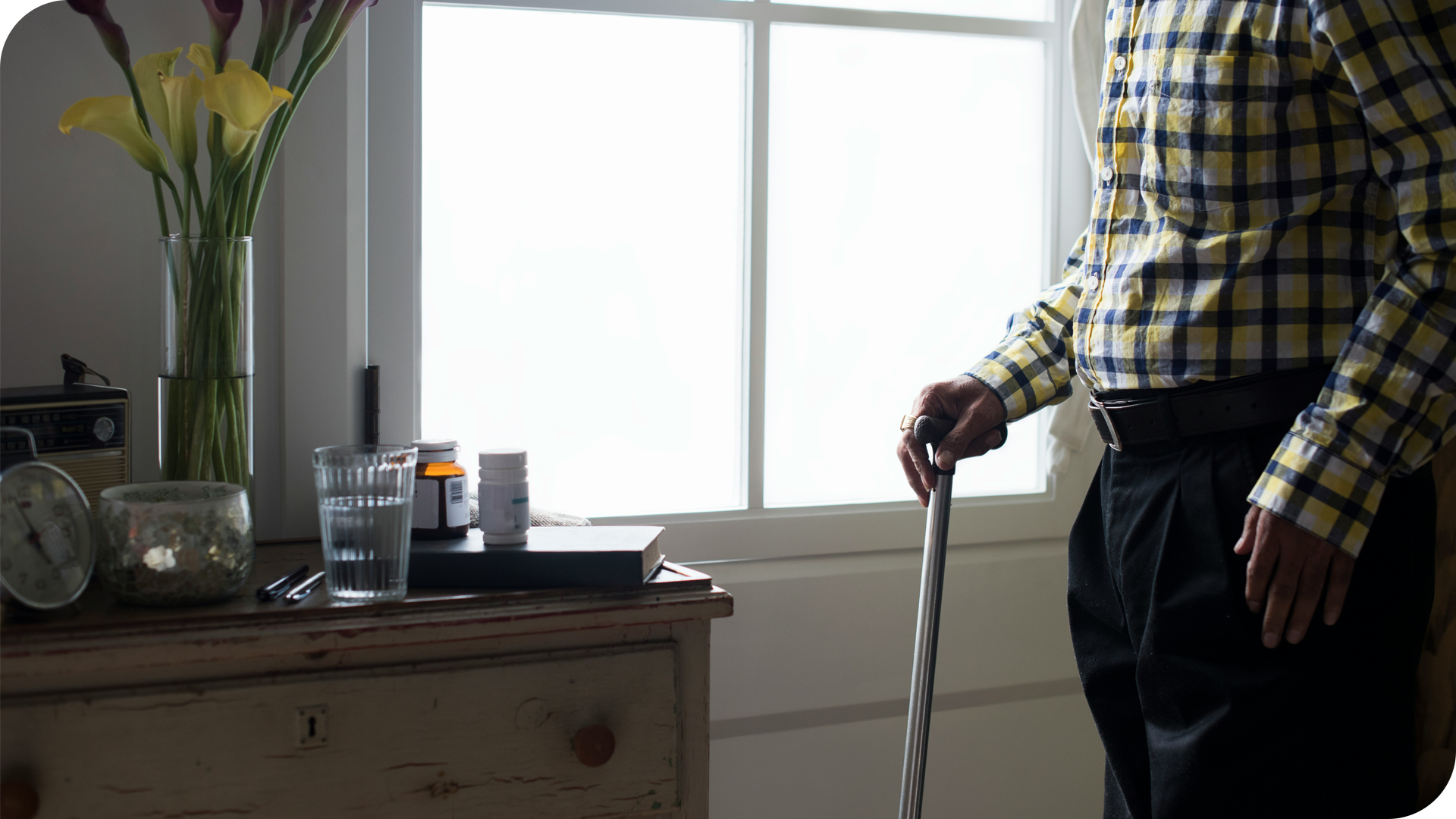
For a long time, the wound required dressing changes several times a week. However, the healthcare visits were only one part of what Lars had to deal with.
Pain affected his sleep. At times, getting around became difficult. His footwear needed to be adapted, and at times he needed walking sticks and help from others.
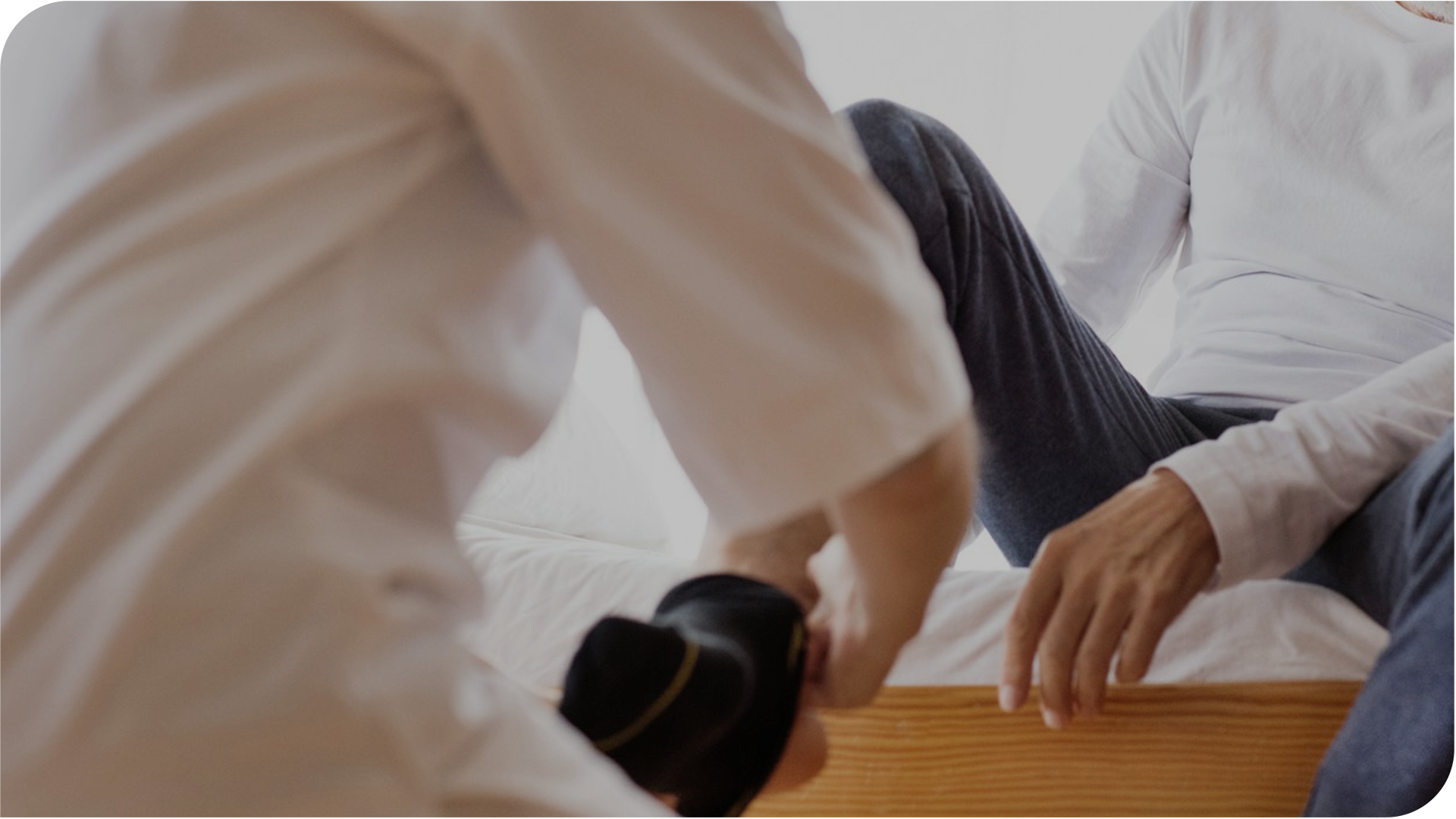
Compression therapy became another new and challenging part of living with the wound. Just because a treatment is clinically necessary does not mean it is easy to live with. For someone living alone, something as everyday as putting on and taking off compression stockings can become a major challenge.
Details like these can easily be overlooked when attention is focused on dressing the wound. Yet they can tell us a great deal about whether the treatment is manageable for the patient in everyday life.

NICE guidance on compression treatment for venous leg ulcers highlights the importance of considering how treatment may affect the patient’s quality of life and everyday activities.1 When choosing a compression product, consider the person’s ability to manage daily activities, adhere to treatment, apply the product themselves, and access support at home.
For Lars, this included moving around, finding suitable shoes and insoles, and managing his compression stockings.
It raises a simple yet important question: how does the treatment fit into the patient’s everyday life?
“I want straightforward, honest and informative answers”
One thing comes up time and again when Lars talks about his experience: he wants to understand it.
He has closely followed his progress, photographed his wounds, and sought information himself. His desire to understand what is happening in his own body is clear.
He also sums up what he wants from healthcare professionals in a very simple way:
“Healthcare should be simple and straightforward.”
Clear information and open dialogue can help patients understand their diagnosis, why different measures are being taken, and what happens next. They can also make it easier for patients to be involved in their own treatment.
NICE guidance on shared decision making similarly emphasises the importance of giving people clear information, understanding what matters to them, and involving them in decisions about their treatment and care.2
For someone living with a wound every day, that understanding can matter.
Specialist nurse Susanne Dufva has emphasised the importance of allowing patients to tell their story.³ Healthcare professionals have extensive knowledge and can quickly provide information and suggest solutions. But the patient brings another kind of knowledge: the experience of living with the wound.
Susanne’s advice is simple: start with an open question and listen to the answer.
“Listen. Two ears and one mouth. It is good to listen twice as much as you speak.”
Lars’s story brings this idea to life. He particularly remembers healthcare professionals who listened, explained, documented, and monitored his progress. When that continuity was lost, he noticed the difference.

Seeing the person behind the wound does not mean shifting the focus away from clinical care—quite the opposite.
An important question is why the wound developed in the first place and what may be preventing it from healing. For Lars, it took time before he was diagnosed with venous insufficiency.
Establishing the underlying cause is an important part of assessing a leg ulcer. NHS guidance on venous leg ulcers highlights medical history, examination and vascular assessment as key components of determining the cause and planning appropriate treatment.3
In other words, dressing the wound is part of the treatment, but not the whole treatment.
Investigating the cause, monitoring the wound’s progress, and understanding the patient’s situation all help to build a broader picture of what that person needs.4
For Lars, living with the wound brought sleepless nights, pain, limited mobility, repeated healthcare visits, and practical problems that needed to be solved day to day. He could share some of his struggles with his closest friends. Still, most of the challenges in his daily life were things he had to handle on his own.
Perhaps that is why an open question can be so valuable—not because healthcare professionals are expected to solve everything in a patient’s life, but because it helps them better understand the person who must live with the treatment.
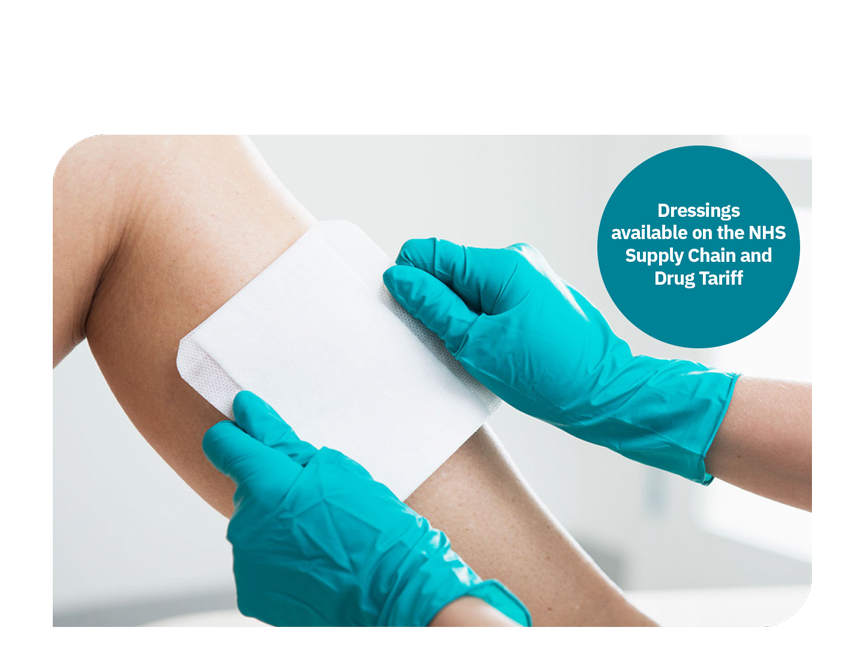
Today, Lars’s situation is different from when his problems were at their worst. Not all of his symptoms have resolved, and he still has a wound on the sole of his foot that needs treatment.
But one detail in his story reveals what this change truly means to him.
“I walk five to six, sometimes up to nine thousand, steps a day.”
Walking is an ordinary part of everyday life. But after living with a wound that has disrupted your sleep, limited your mobility, and kept you from your usual routines, every step takes on new meaning.
An open-ended question can reveal things that may not be apparent during the dressing change.
Clear information and open dialogue make it easier to understand what is happening, why it is happening, and what comes next.
Practical considerations matter. A patient’s individual circumstances and daily life are essential to understanding the full picture.
What has changed? What challenges does the person face? What do they need to manage in their daily life?
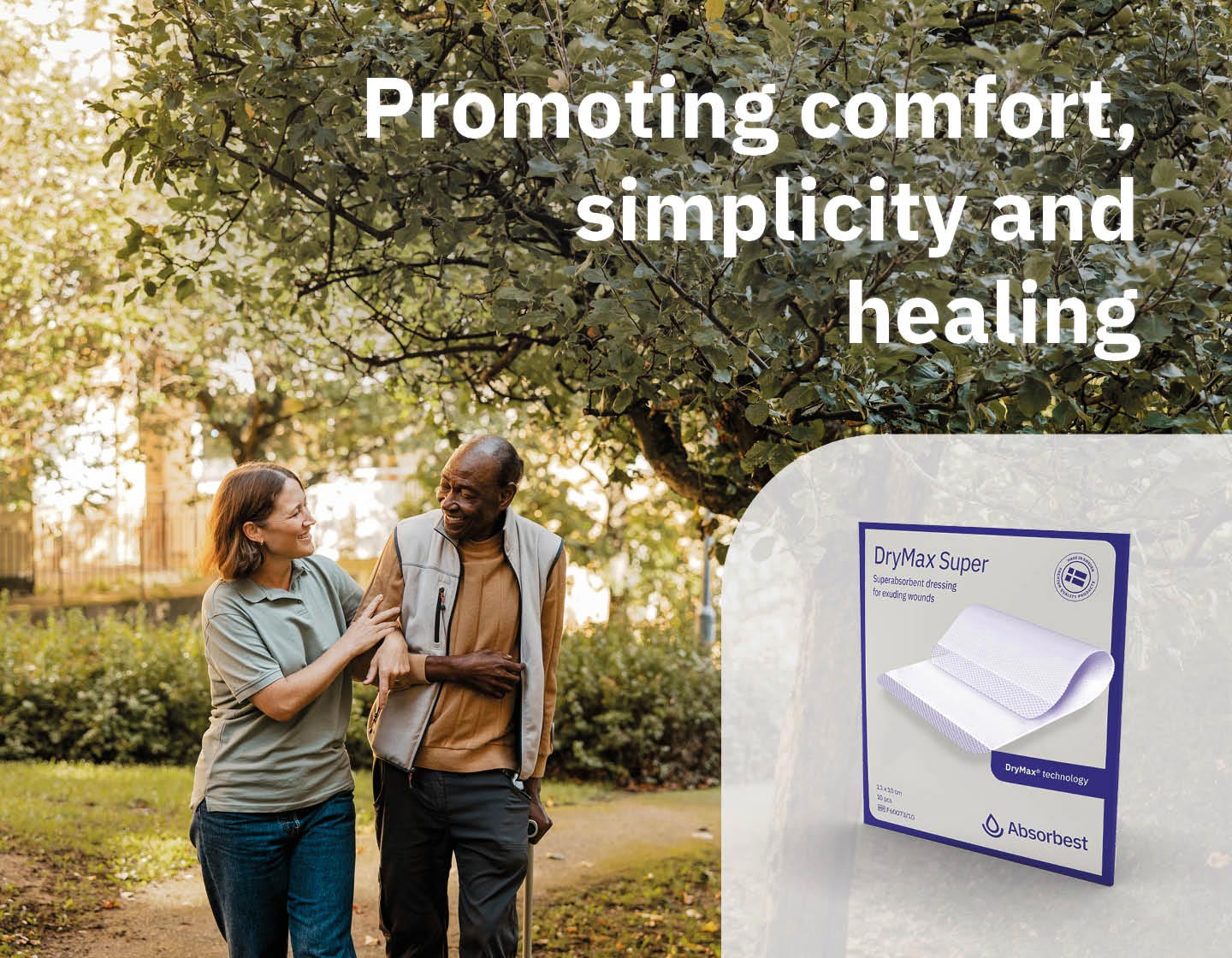
Experience the difference and compare the outcome with our superabsorbent primary dressing. Designed for comfort and to facilitate a simple wound healing process, it creates optimal healing environments to support clinicians in delivering quality care.

*Lars is a pseudonym.
1. NICE. Compression products for treating venous leg ulcers: late-stage assessment. HealthTech guidance HTG758. 2025.
2. NICE. Shared decision making. NICE guideline NG197.
3. Interview with Susanne Dufva, How to choose the right wound dressing, Sårsymposium 2022, absorbest.co.uk
4. Royal College of Nursing. How to perform a simple wound assessment. RCN Magazine, 17 March 2026


+46 (0)494 77 99 50
info@absorbest.se
Klintvägen 1, 590 39 Kisa

Contact us
+46 (0)494 77 99 50
info@absorbest.se
Klintvägen 1, 590 39 Kisa